How to Use sticky traps in Industrial Settings
After working in industrial equipment supply and site management for more than a decade, I’ve handled all sorts of pest control tools. Sticky traps stand out as deceptively simple yet surprisingly effective devices in controlling insects and rodents. It feels like many folks underestimate how much the right placement and product choice matter—so let me share what I’ve seen work in real terms.
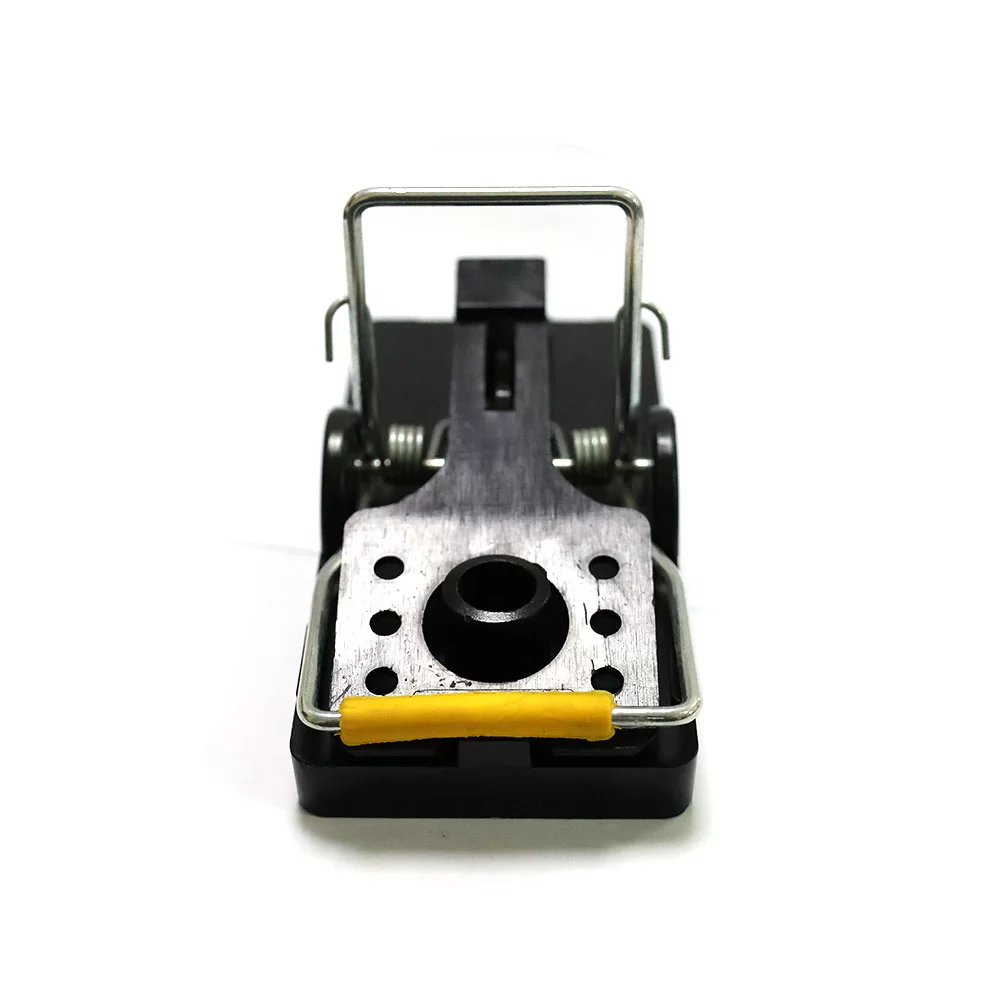
Sticky traps, at their core, use an adhesive surface to catch pests—no chemicals, no noise, just plain old sticky paper or boards. Oddly enough, despite their simplicity, their design and material quality vary widely, impacting how well they perform in different environments. You’d think any sticky trap would do, but from dusty factories to food processing labs, conditions call for subtle differences.
The first thing I noticed working on a packaging line was how quickly dust and debris could cover a trap, reducing its stickiness. That led me to favor industrial-grade sticky traps with protective coatings and moisture resistance. It’s a detail often overlooked but vital especially in humid or dusty environments.
| Specification |
Detail |
| Dimensions |
8" x 12" (standard board size) |
| Adhesive Type |
Non-toxic, long-lasting glue |
| Material |
Recyclable cardboard with waterproof coating |
| Shelf Life |
Up to 6 months unopened |
| Target Pests |
Flies, cockroaches, rodents (small) |
Many engineers I’ve spoken with swear by using these traps around machine bases, conveyor belts, and near waste receptacles. The idea is to catch pests before they interfere with critical equipment or contaminate products. Of course, placement is part intuition, part data-driven—some clients run their own regular monitoring and reposition traps accordingly.
Another detail I always recommend is combining sticky traps with physical barriers and sanitation. Sticky traps feel like a passive player until you notice the reduction in sightings over a couple of weeks—it’s subtle but effective. On a recent visit to a fish processing plant, they told me these traps helped catch a particular species of fly that had been eluding spray treatments.
| Vendor |
Price per Pack |
Moisture Resistant |
Eco-friendly Material |
Bulk Order Discount |
| HB Archer Fish (Site) |
$25 |
Yes |
Yes (recyclable cardboard) |
10% off on 100+ packs |
| PestStop Solutions |
$20 |
No |
No |
5% off on 200+ packs |
| EcoTrap Industrial |
$28 |
Yes |
Yes (biodegradable materials) |
15% off on 150+ packs |
Speaking of customization, some manufacturers offer sticky traps tailored to specific pests or environments, like UV-resistant surfaces for outdoor use or extra-large sizes for rodent-heavy zones. Frankly, I find that kind of insider knowledge and adaptability pretty useful. One of my regular clients often requests traps cut to fit narrow crawl spaces — oddly enough, that’s where rodents sometimes congregate the most.
To sum it up — using sticky traps effectively isn’t just about throwing a piece of sticky cardboard down and walking away. It’s a mix of understanding the pests’ behavior, the subtle differences in materials, and making sure the trap stays functional over time. Applied carefully, these traps can be a surprisingly low-cost, low-impact addition to a pest control program. If you haven’t tried a sticky trap lately, I’d say it’s worth looking into the variety that sticky traps providers offer nowadays.
Oddly enough, sometimes the simplest tools reveal the most about the health of your environment and equipment. They’re kind of an early warning sign in an industrial setting, if used right.
Thanks for reading—here’s hoping your next sticky trap campaign is both effective and easy to manage.
References:
- “Industrial Pest Control: Best Practices” - Journal of Facility Management, 2022.
- HB Archer Fish Product Brochure, 2024.
- EPA Guidelines on Non-chemical Pest Control, 2023.