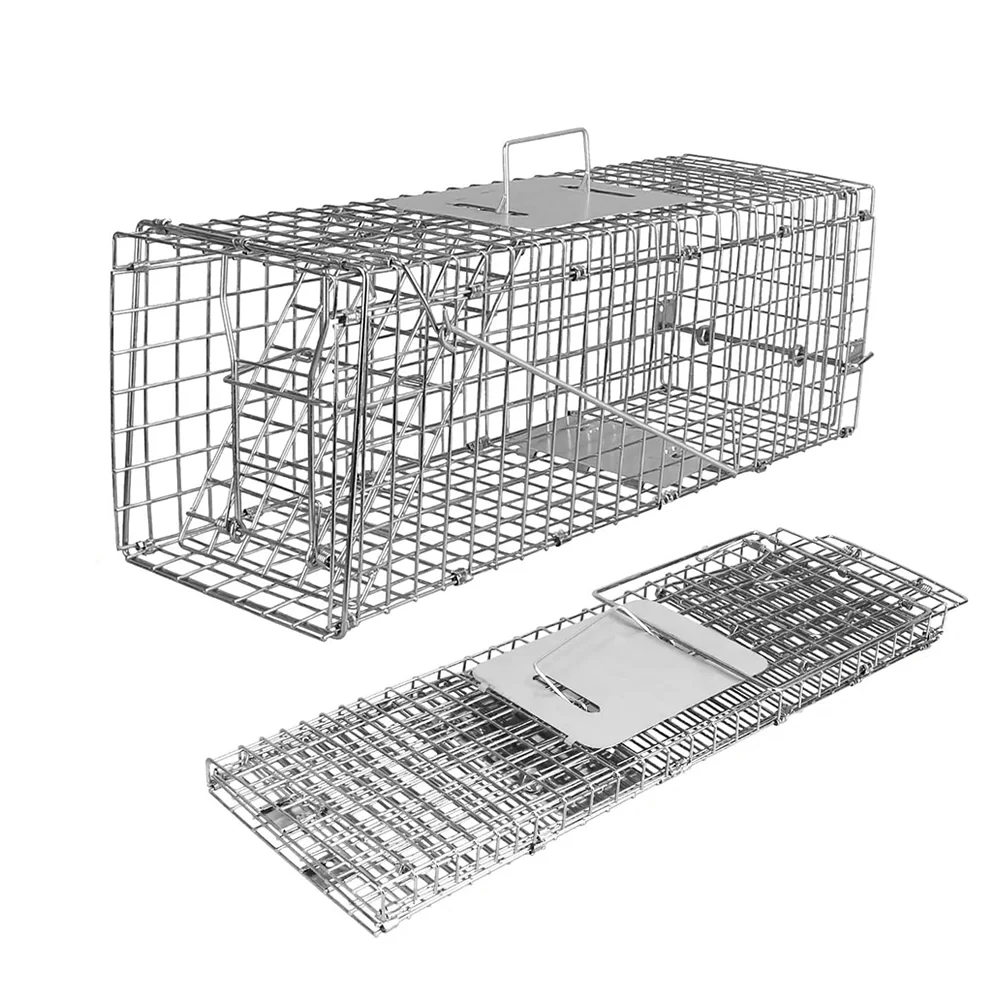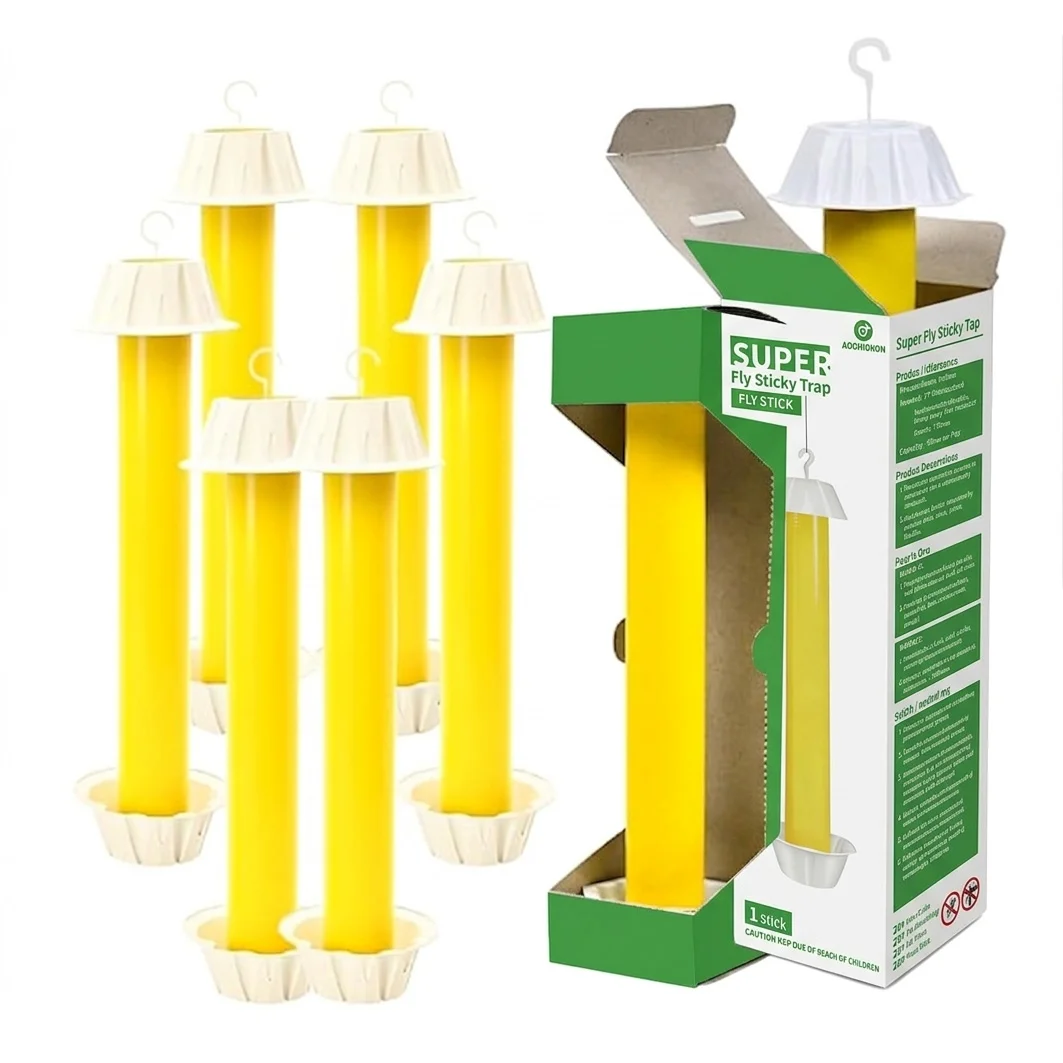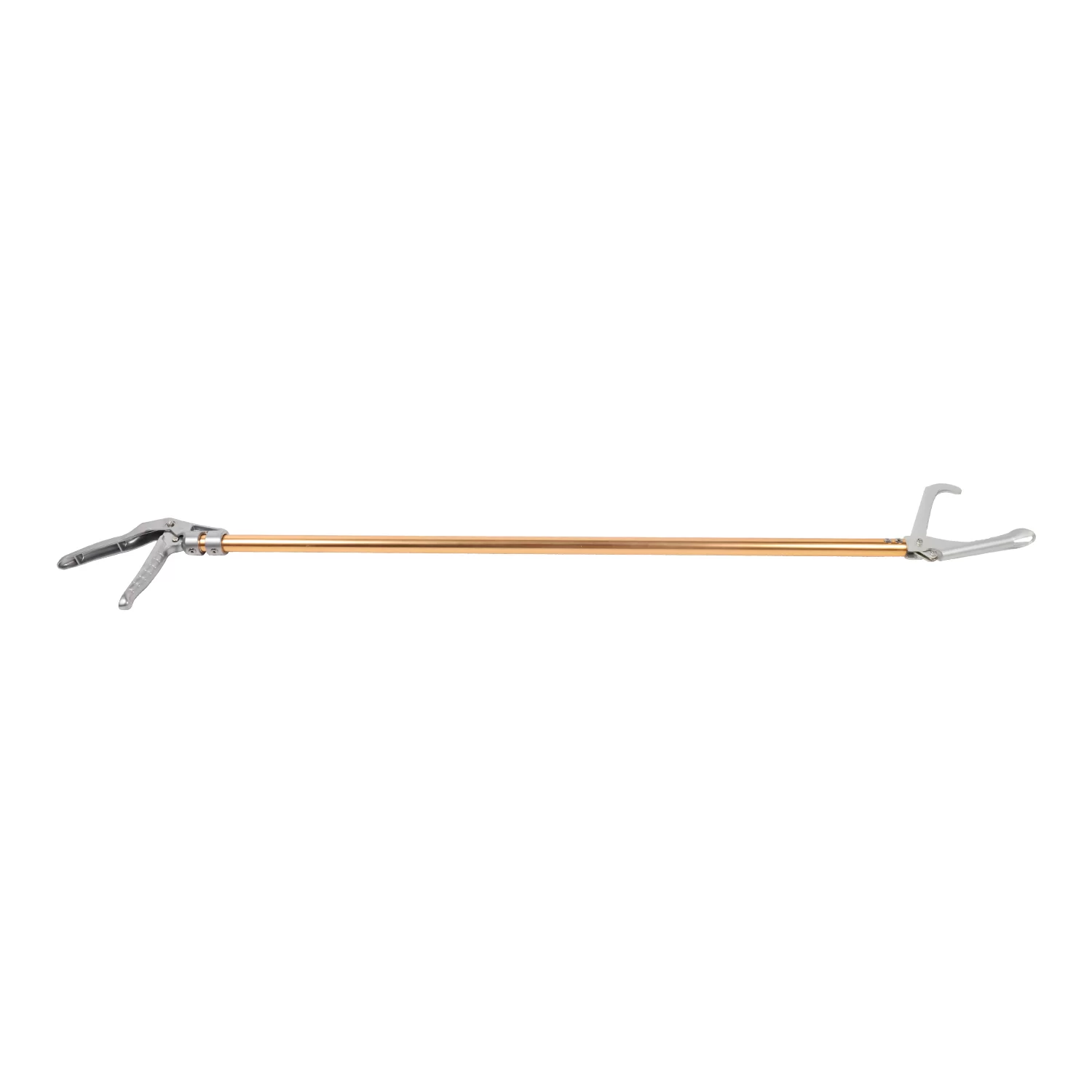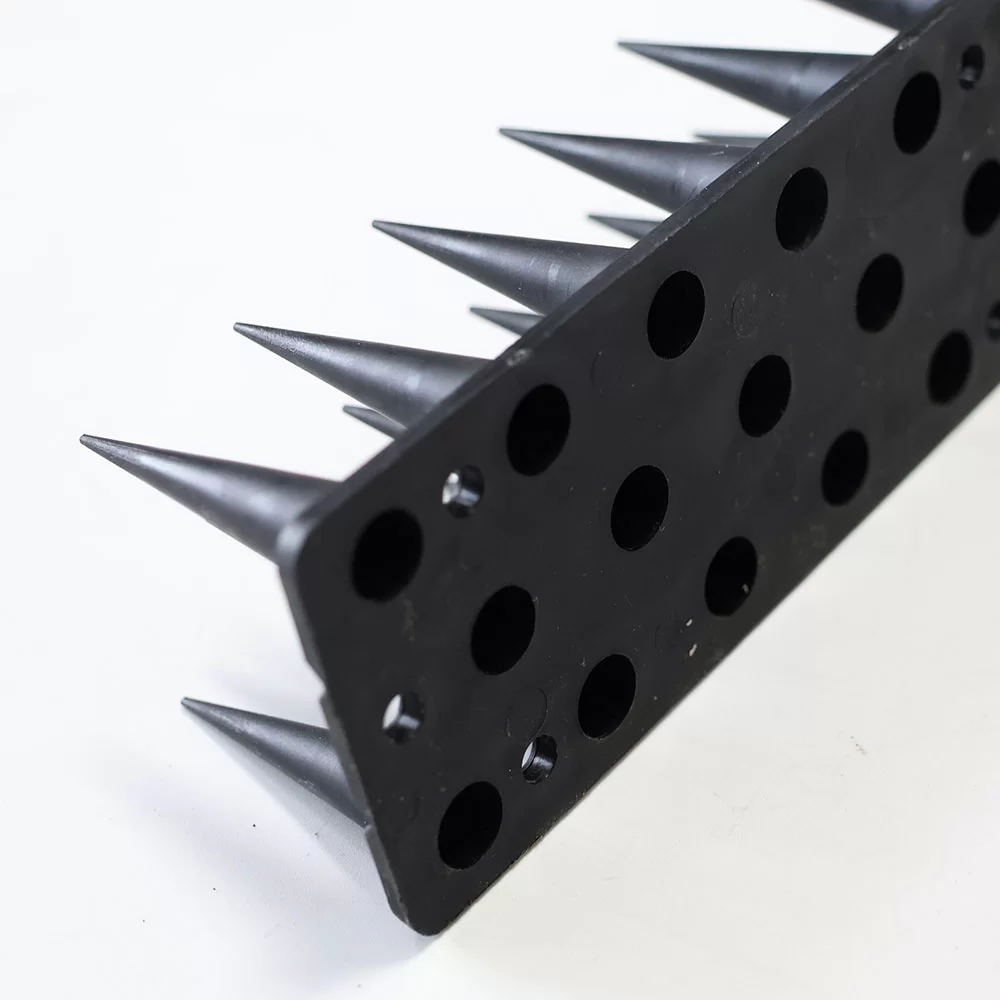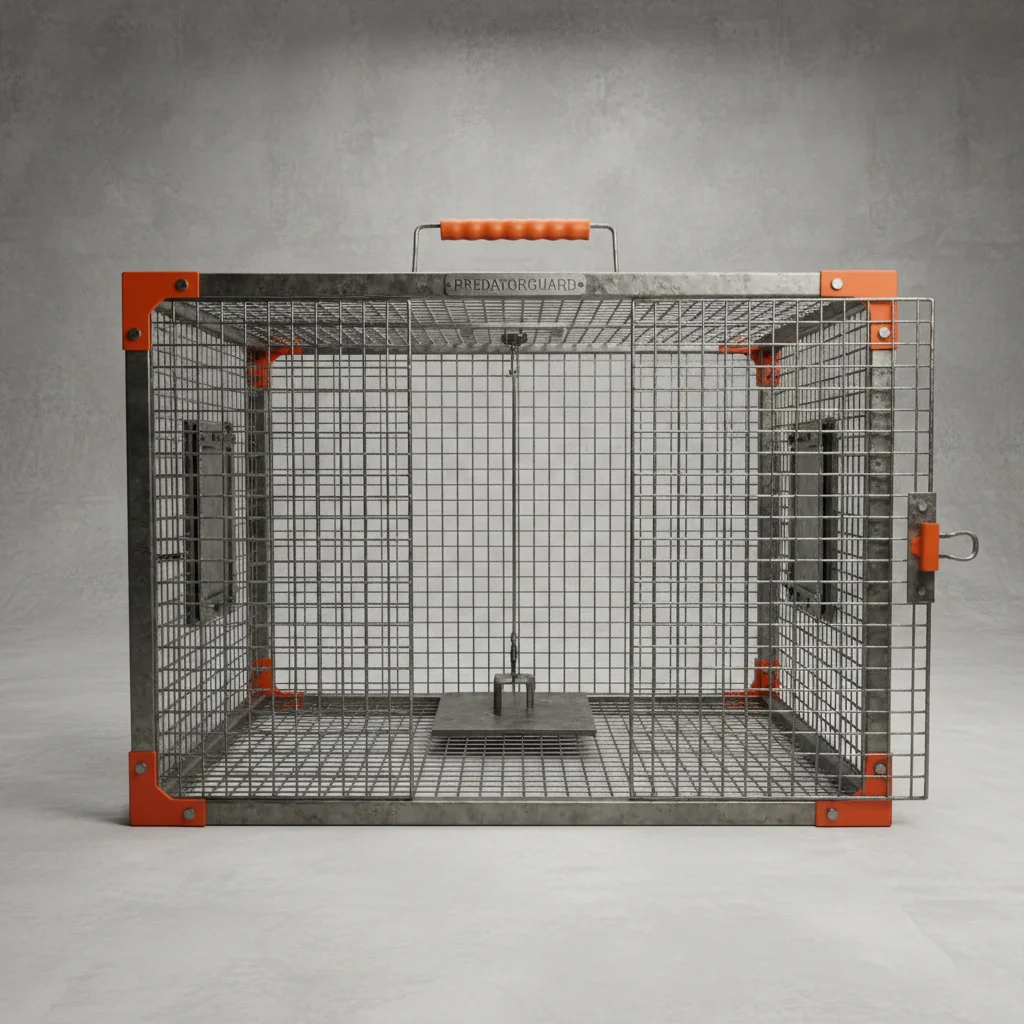
The innovative application of cage trap technology is rapidly evolving, offering solutions to diverse challenges across multiple sectors. Initially conceived for animal control, its principles are now being adapted to address critical needs in disaster relief, temporary housing, and secure logistics. Understanding the fundamentals of cage trap construction and deployment is vital for organizations and individuals seeking rapid, cost-effective, and adaptable solutions. Globally, the demand for flexible and quickly deployable infrastructure is escalating due to increasing natural disasters, humanitarian crises, and the need for adaptable workspaces. Cage trap systems, offering inherent portability and modularity, provide a compelling alternative to traditional construction methods, which are often slow, expensive, and environmentally impactful. According to the UN Office for Disaster Risk Reduction, the number of recorded disaster events has increased fivefold over the past 50 years, underscoring the urgent need for resilient and rapidly deployable solutions.
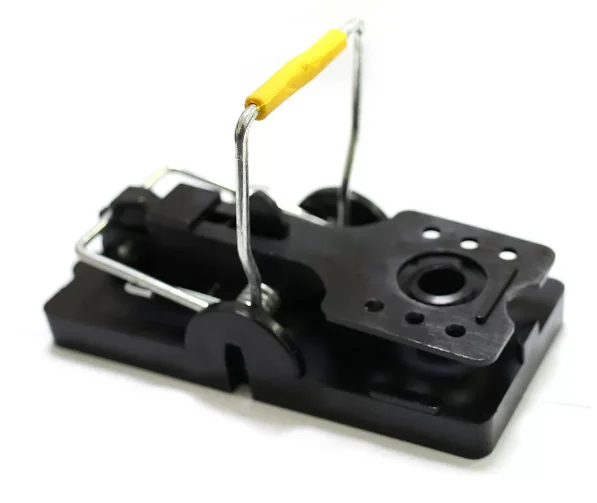
The faint skittering in the walls at night, the tell-tale droppings in the kitchen cupboard, the gnawed edges of a cereal box—these are the unmistakable signs of a mouse infestation.
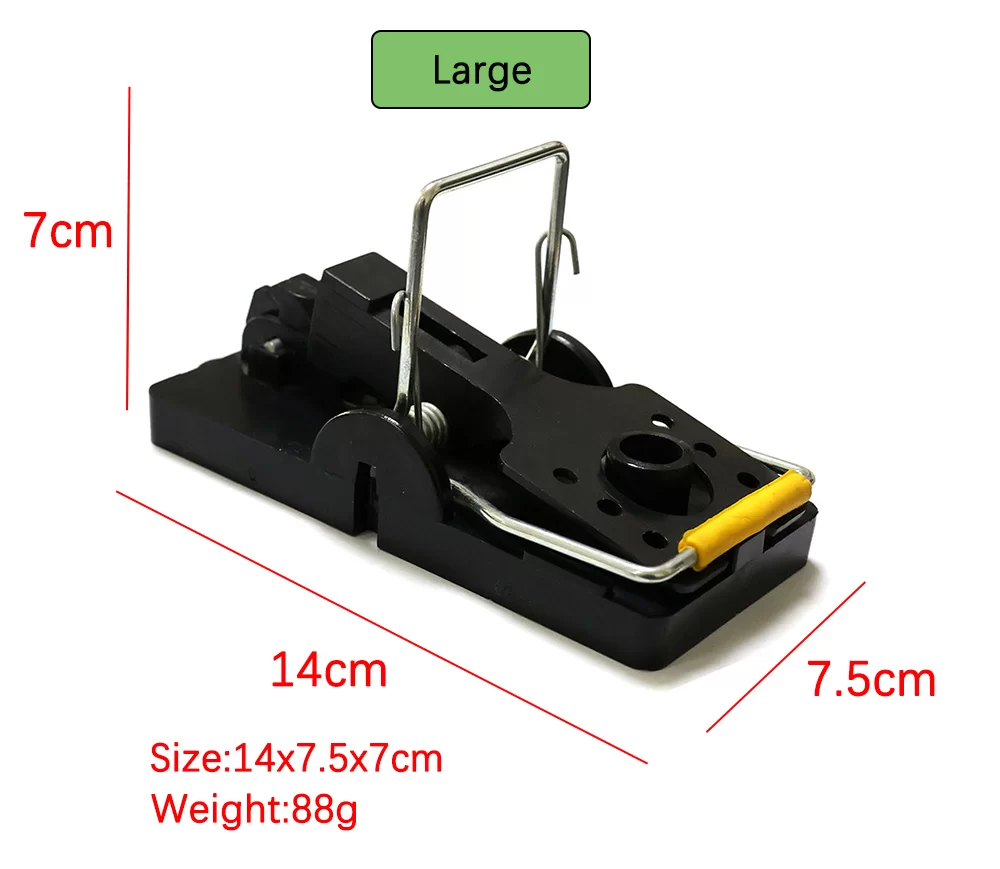
Rodent infestations are a serious concern in both residential and commercial spaces. Rats and mice not only damage property but also pose significant health risks by contaminating food and spreading disease.
Honestly, things have been moving fast lately. Everyone’s talking about lightweight, modular, and “smart” everything. You go to a site now, and it’s not just about brick and mortar anymore. It’s about pre-fab, quick assembly, and…well, hoping it all fits together. I've seen a lot of these "innovations" come and go, and a lot of them are just headaches waiting to happen.
You know what gets me? The details. People design things on computers, look great on paper, but haven't spent a day actually *handling* the materials. That’s where things fall apart. That’s where you find out the tolerances are off, or the finish scratches if you look at it wrong.
We specialize in what I call “robust enclosure solutions”—fancy way of saying we make boxes to protect sensitive equipment. Mostly electronics, some comms stuff. It's a surprisingly complex business.