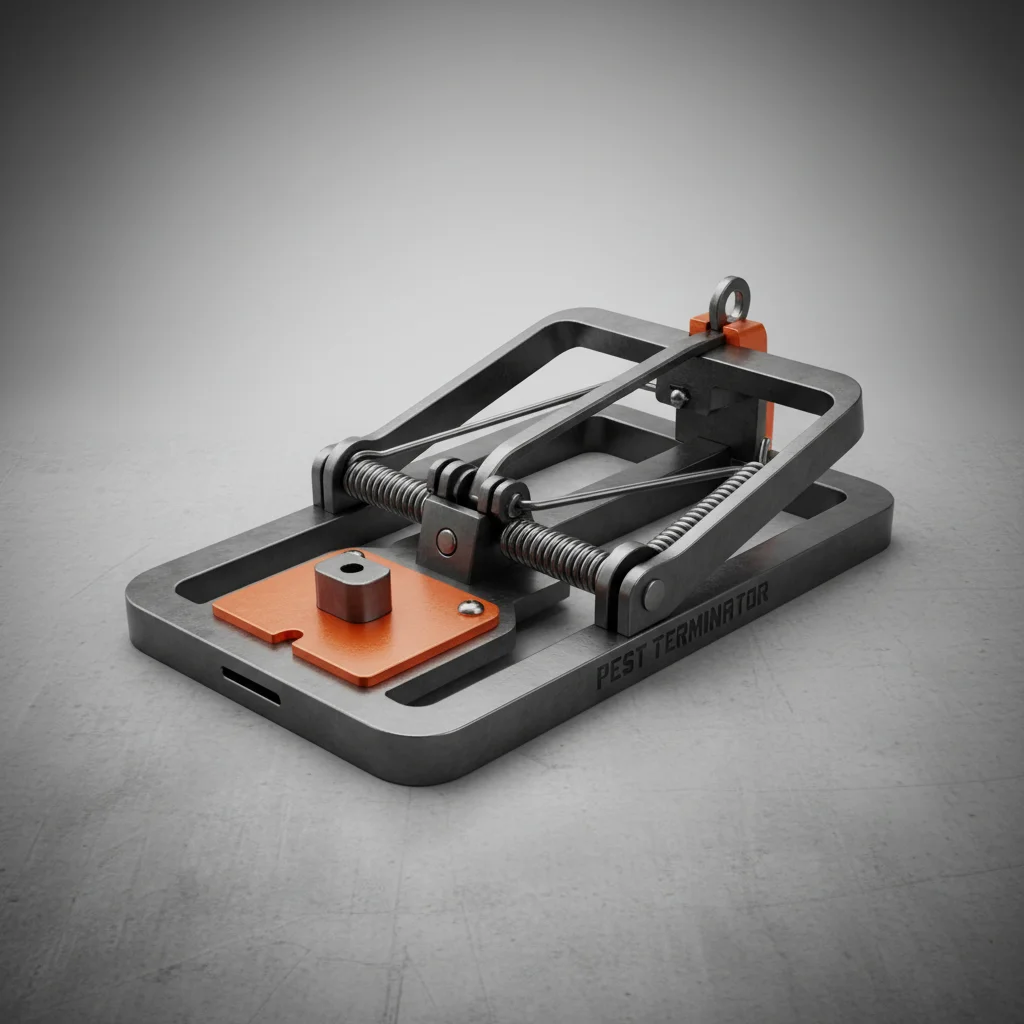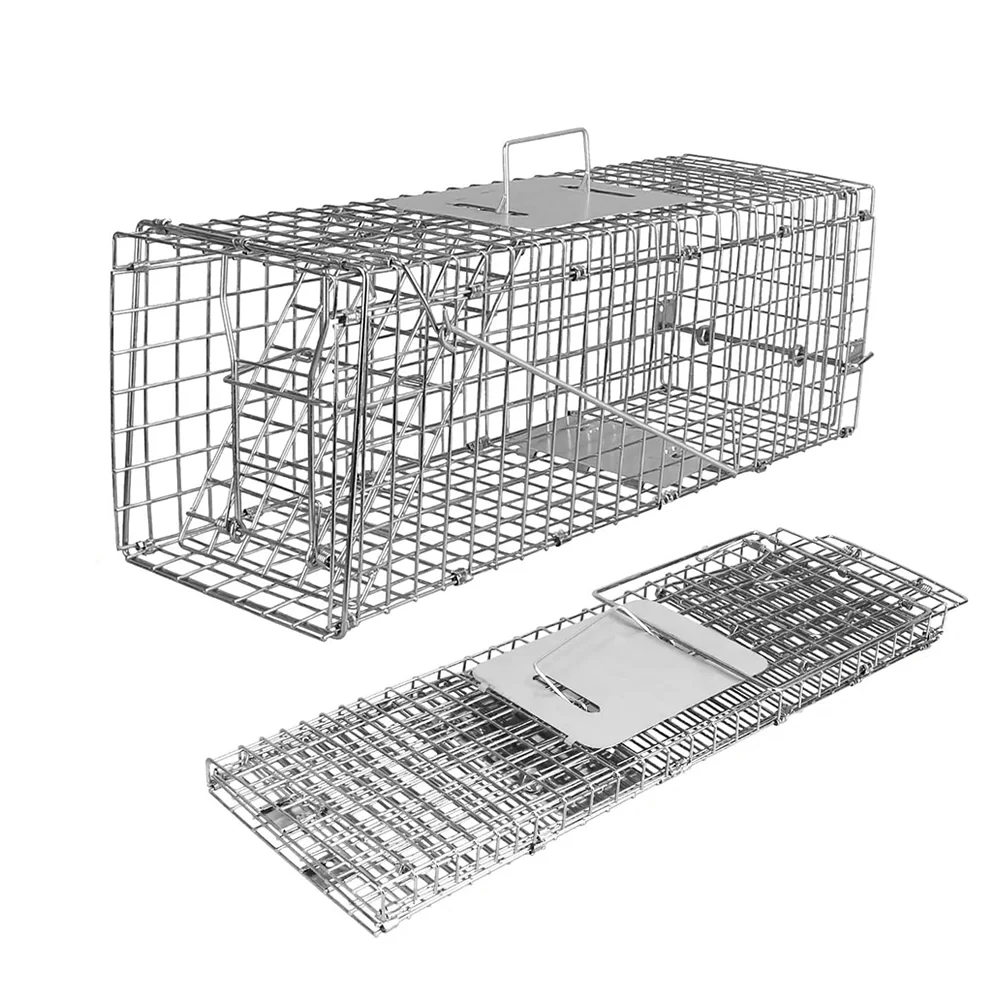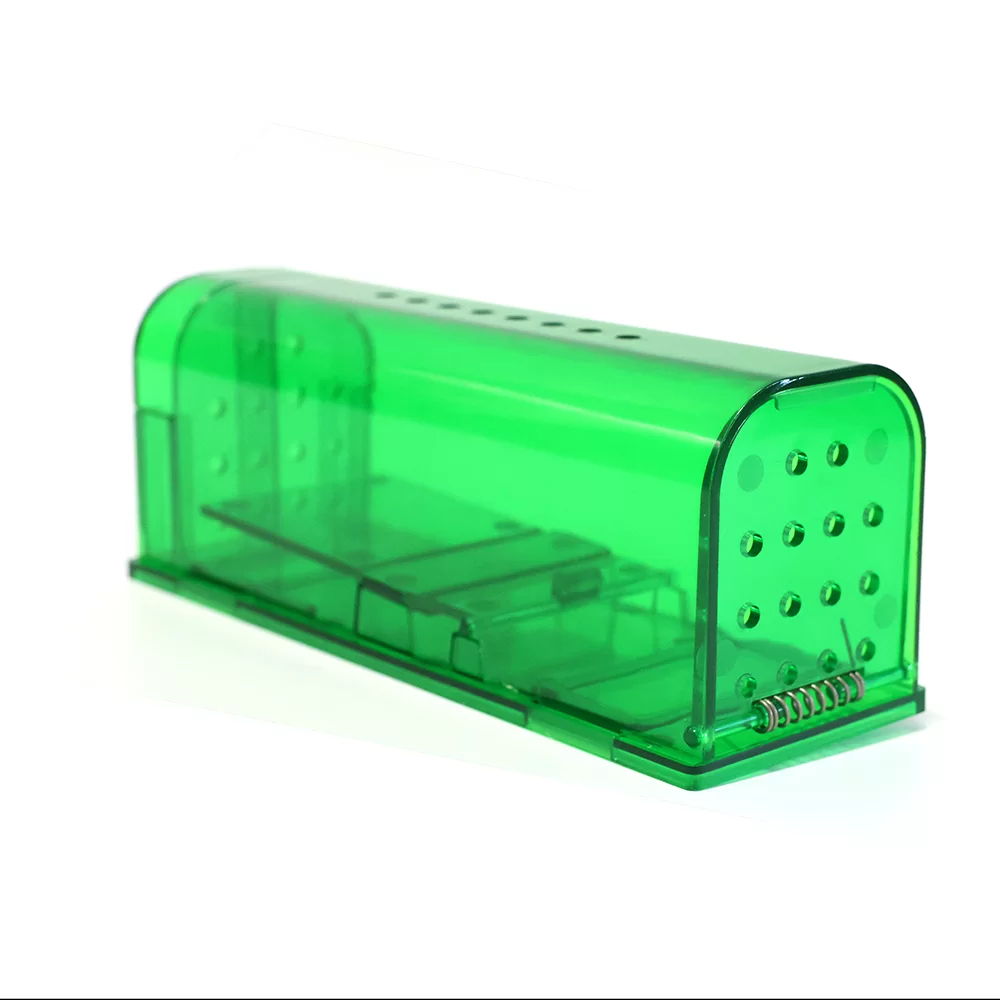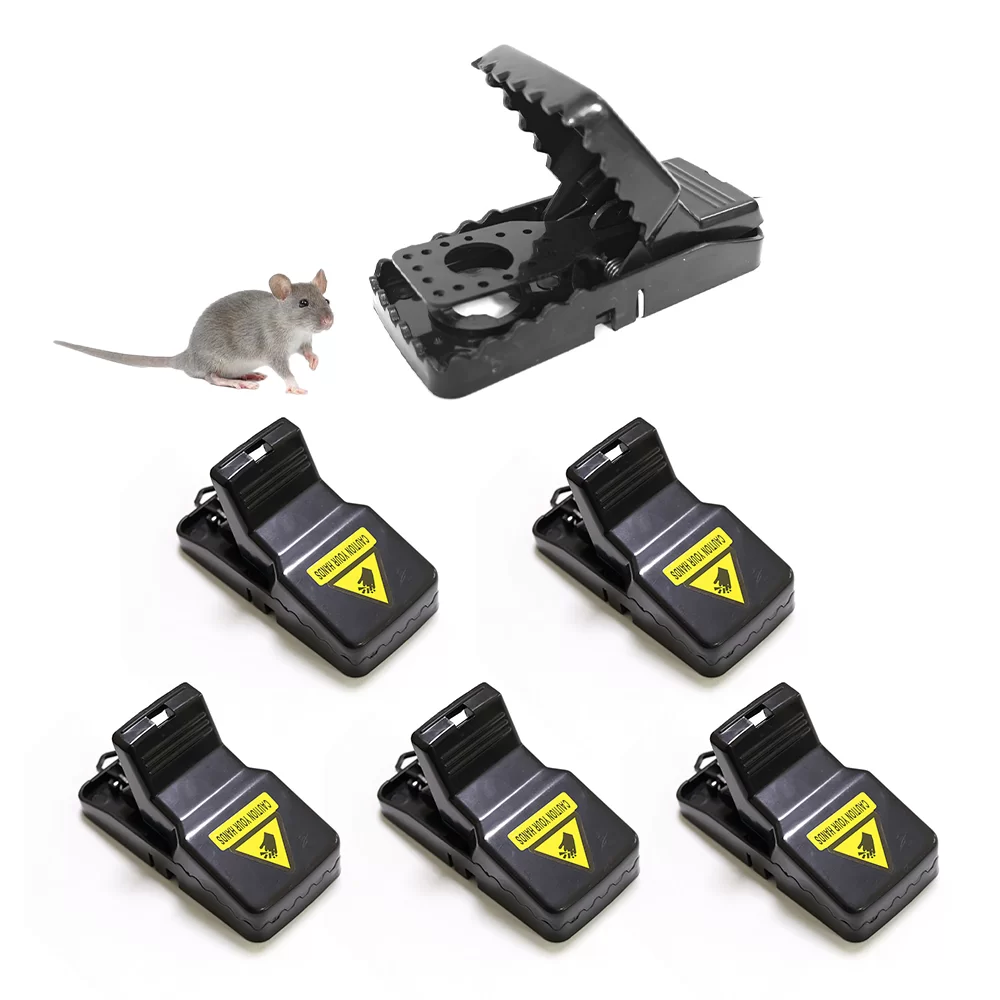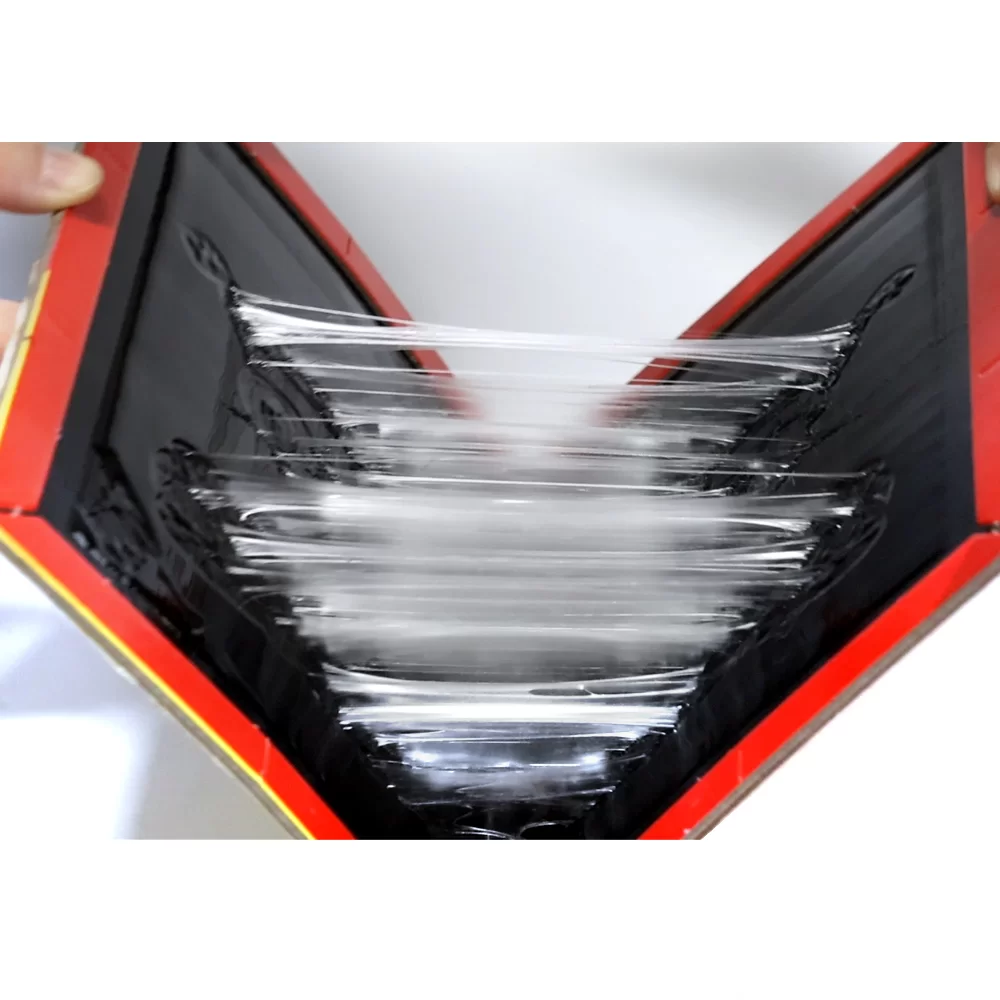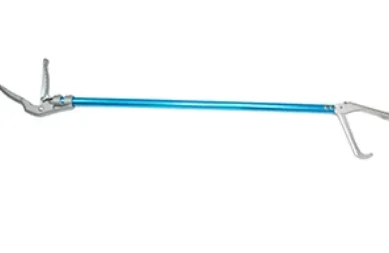
Rodent traps are crucial tools in safeguarding public health, agricultural yields, and property integrity globally. From urban centers battling infestations to rural communities protecting stored grains, the effective control of rodent populations is a constant need. Understanding the principles behind effective rodent trap design, deployment, and maintenance is essential for minimizing disease transmission, preventing structural damage, and ensuring food security. This understanding isn’t merely a matter of pest control; it’s a fundamental aspect of sustainable living and economic stability. The global market for rodent control, including rodent trap solutions, is substantial and growing, driven by factors like urbanization, climate change, and increased international trade which facilitate the spread of rodent populations. According to the World Health Organization, rodents are responsible for the transmission of numerous diseases, impacting millions worldwide annually.
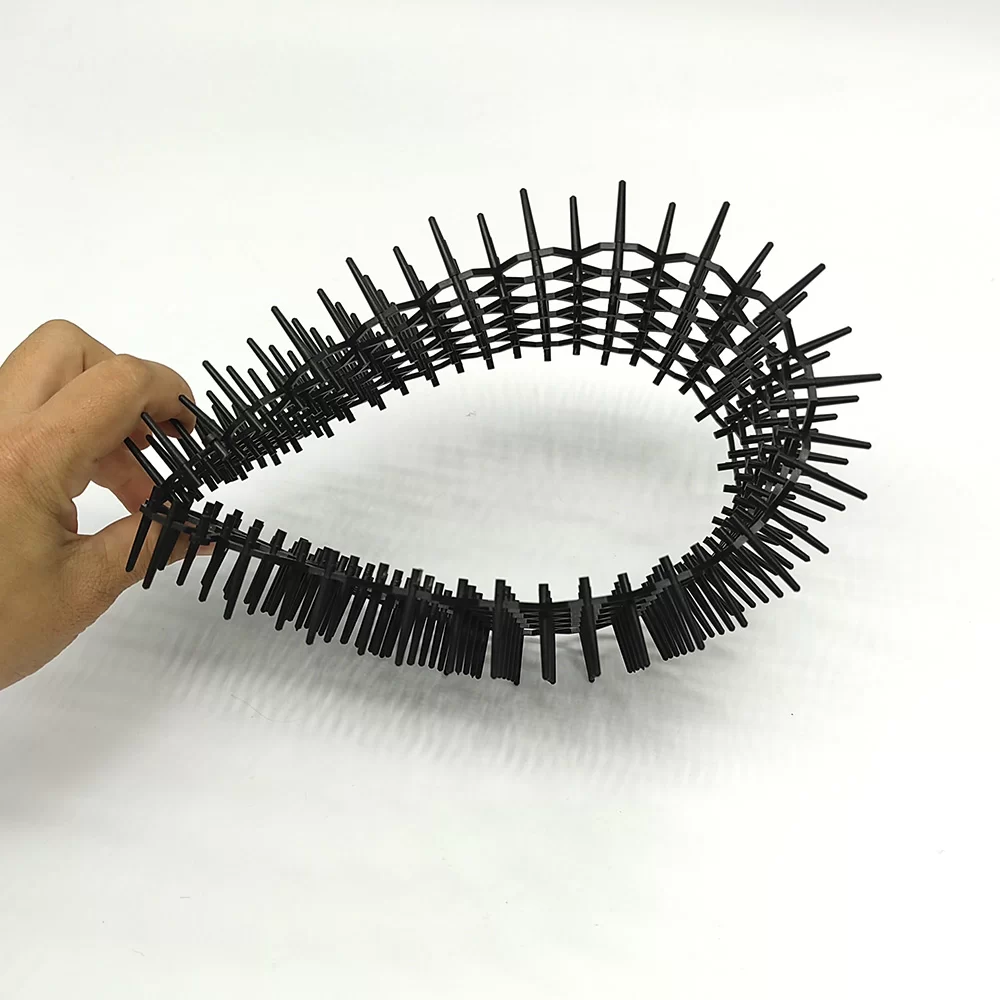
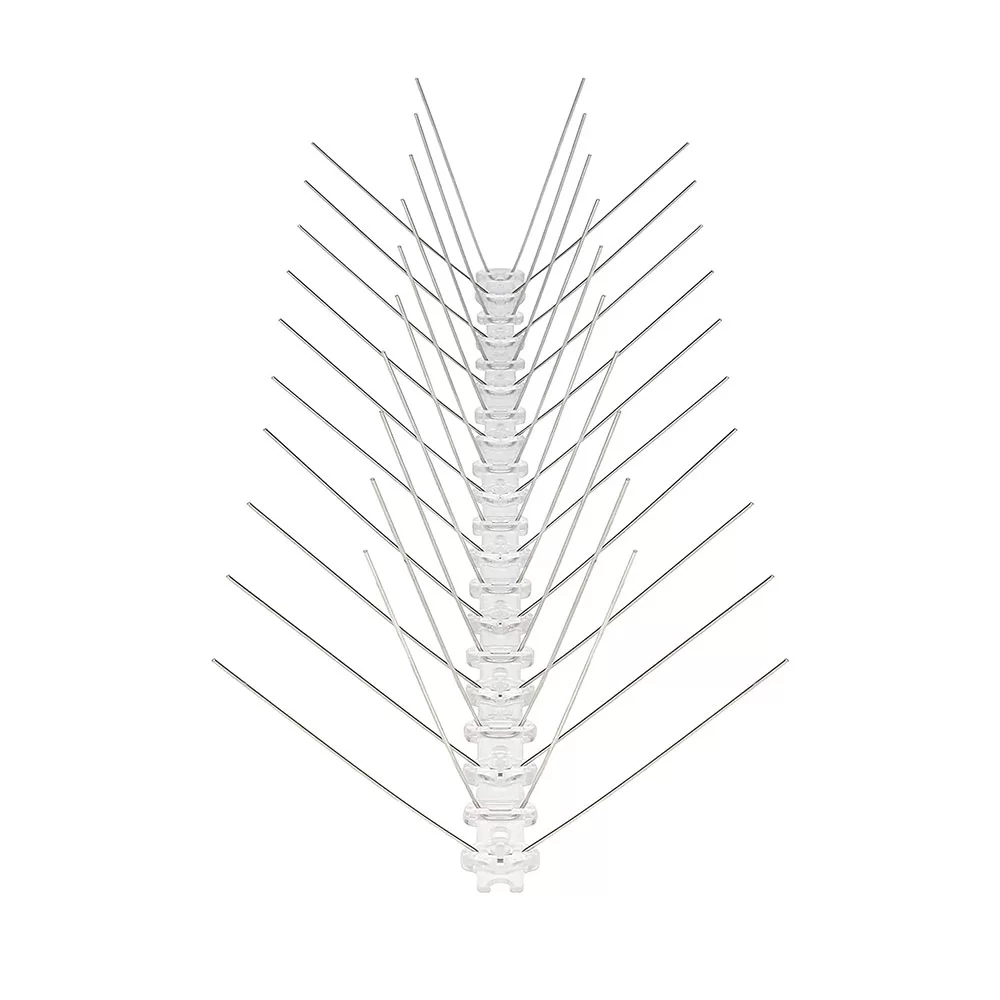
Bird mesh, a versatile and increasingly vital component in modern infrastructure and emergency response, is rapidly gaining global recognition. Initially conceived for specialized applications like aviary protection, its inherent properties – lightweight durability, adaptable configuration, and cost-effectiveness – have broadened its utility across diverse sectors. Understanding bird mesh isn’t just about the material itself, but about a paradigm shift in how we approach shelter, security, and sustainable building practices. The global demand for rapid deployment solutions, whether for disaster relief, temporary housing, or remote industrial operations, is escalating. Factors such as increasing frequency of natural disasters, global population displacement, and the need for scalable infrastructure in challenging environments drive this demand. Bird mesh offers a compelling alternative to traditional construction methods, addressing critical needs with speed, efficiency, and minimal environmental impact.